
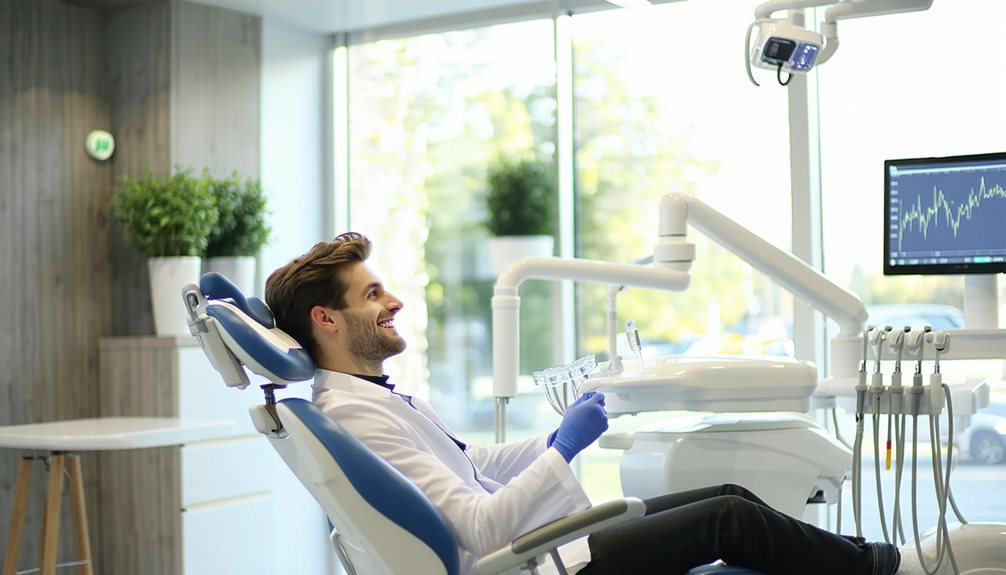
Leading orthodontic practices for adults seeking wellness emphasize holistic and personalized care methods, incorporating eco-friendly materials and nutritional insights. These practices address the root causes of oral issues, integrating body balance and emotional wellness into treatment. Biodegradable aligners and sustainable materials reduce environmental impact, offering resilient and aesthetic options. Nutrition supports oral health, with a focus on reducing sugar intake and optimizing vitamin levels for enhanced healing. Personalized treatment plans and advanced diagnostic tools guarantee tailored interventions. By exploring these innovative approaches, individuals gain a thorough understanding of how orthodontics can support overall well-being.
Understanding Holistic Orthodontics
In recent years, a growing interest has emerged in holistic orthodontics, a field that emphasizes the interconnectedness of oral health with overall well-being. Holistic orthodontics is rooted in a holistic philosophy that considers not only the alignment of teeth but also the influence of orthodontic treatment on the entire body. This approach incorporates mindful practices that aim to harmonize dental interventions with the body’s natural balance, promoting health beyond mere aesthetics.
At the core of this philosophy is the understanding that the oral cavity is an integral part of the body’s complex system. By adopting mindful practices, orthodontists can address the underlying causes of dental issues rather than merely treating symptoms. This patient-focused approach not only considers the mechanical aspects of tooth movement but also examines factors such as airway health, facial muscle function, and postural alignment.
Evidence-based research supports the efficacy of holistic orthodontics, demonstrating its potential to enhance overall health outcomes through thorough assessments and personalized treatment plans. This innovative approach is appealing to patients who seek more than traditional orthodontic solutions, offering a pathway to improved oral and systemic health by respecting the body’s innate wisdom.
Benefits of Holistic Approaches
Although traditional orthodontic practices primarily focus on the alignment of teeth, holistic approaches offer a myriad of benefits that extend beyond mere aesthetics. Central to these benefits is the enhancement of the mind body connection, which emphasizes the interrelatedness of oral health and overall well-being. Evidence suggests that misaligned teeth and jaw issues can contribute to systemic problems such as headaches and sleep disturbances. Holistic orthodontics addresses these concerns by promoting balance within the body, which can lead to significant improvements in general health.
Moreover, stress reduction is a crucial advantage of holistic approaches. Conventional orthodontic treatments often result in increased anxiety and discomfort due to invasive procedures and lengthy treatment durations. In contrast, holistic methods emphasize gentle, patient-centered care that minimizes stressors. Techniques such as mindfulness and relaxation exercises during treatment can foster a more positive patient experience, enhancing compliance and outcomes.
Adopting a holistic approach also encourages the use of personalized treatment plans tailored to the individual’s lifestyle and health needs. This innovative focus guarantees that orthodontic care aligns with the patient’s overall wellness goals, ultimately supporting long-term health and well-being.
Holistic orthodontics represents a paradigm shift towards thorough, patient-focused care.
Natural Orthodontic Materials
Natural orthodontic materials offer an innovative approach to adult orthodontic care, emphasizing both environmental responsibility and patient health.
Eco-friendly braces, crafted from sustainable resources, provide effective alignment while reducing the ecological footprint associated with traditional materials.
Additionally, biodegradable aligners present a compelling alternative, offering comparable efficacy to conventional aligners with the added benefit of minimizing long-term waste.
Eco-Friendly Braces Options
Exploring sustainable options in orthodontics has led to the development of eco-friendly braces that integrate natural materials without compromising functionality or effectiveness. These advancements are driven by growing consumer demand for sustainable materials and eco-friendly practices in dental care.
Modern orthodontic treatments now offer solutions that align with patients’ environmental values while delivering the desired aesthetic and functional outcomes. Innovations in eco-friendly braces focus on materials such as biopolymers and ceramics, which are both durable and sustainably sourced.
Biopolymers, derived from renewable resources, provide a resilient and flexible alternative to traditional plastic components. Ceramics, renowned for their strength and biocompatibility, offer an aesthetically pleasing option that blends seamlessly with natural tooth color.
These materials not only reduce the environmental footprint of orthodontic treatments but also guarantee safety and performance comparable to conventional options. Furthermore, eco-friendly braces are designed with precision, employing advanced manufacturing techniques that minimize waste.
The use of computer-aided design (CAD) and 3D printing in the production process enhances the customization of braces, optimizing patient comfort and treatment efficiency. By embracing these innovative eco-friendly practices, orthodontists can offer sustainable, high-quality care that resonates with environmentally conscious patients seeking holistic wellness solutions.
Biodegradable Aligners Benefits
Adopting biodegradable aligners in orthodontic treatments represents a significant advancement in utilizing natural materials for dental care. These aligners, crafted from renewable resources, align with sustainable practices while offering a modern, eco-conscious alternative to traditional aligners.
As the dental industry shifts towards environmental responsibility, biodegradable aligners present a viable solution to reducing plastic waste, a growing concern within healthcare sectors globally.
Biodegradable aligners provide not only environmental benefits but also enhance patient comfort. Made from biocompatible materials, these aligners minimize the risk of allergic reactions, ensuring a safer, more comfortable orthodontic experience for patients.
Their design focuses on maintaining structural integrity while being gentle on the gums, enhancing the overall treatment experience.
Clinical studies have shown that biodegradable aligners are effective in achieving desired orthodontic outcomes, comparable to their conventional counterparts. Patients seeking innovative orthodontic solutions appreciate the dual benefits of effective treatment and environmental stewardship.
Additionally, the use of natural materials in aligners supports a wellness-centric approach, aligning with the increasing demand for treatments that prioritize both health and sustainability.
Ultimately, biodegradable aligners represent a forward-thinking choice, merging technical efficacy with eco-friendly principles.
Mindful Treatment Techniques
In recent years, mindful treatment techniques have emerged as an integral component of adult orthodontic care, emphasizing a patient-centered approach that integrates both psychological and physiological aspects of treatment.
Mindfulness practices, which focus on cultivating awareness and presence, are increasingly being utilized to enhance the orthodontic experience. By addressing emotional wellness, these techniques not only aim to improve patient satisfaction but also contribute to more effective treatment outcomes.
Evidence suggests that incorporating mindfulness into orthodontic care can mitigate anxiety and discomfort, common challenges faced by adults undergoing treatment. Techniques such as guided meditation and deep-breathing exercises have been shown to reduce stress and promote relaxation, enabling patients to engage more positively with their treatment plans.
This holistic approach helps in addressing the underlying emotional responses that may affect compliance and overall progress.
Furthermore, mindful treatment techniques encourage a collaborative relationship between the orthodontist and patient, fostering open communication and trust.
This innovative integration of mindfulness practices into orthodontics redefines traditional treatment paradigms, offering a thorough pathway to both oral health and emotional wellness.
Integrating Nutrition and Oral Health
Integrating nutrition into orthodontic care for adults can greatly enhance oral health outcomes by emphasizing the importance of a nutrient-rich diet.
Evidence suggests that excessive sugar consumption can lead to an increased risk of dental caries, while essential vitamins such as calcium and vitamin D play a vital role in maintaining tooth and bone health.
Nutrient-Rich Diet Benefits
While patients often seek orthodontic care for aesthetic improvements, the underlying foundation of oral health, including nutrition, plays an essential role in achieving ideal outcomes. A nutrient-rich diet fosters optimal nutrient absorption, strengthening both teeth and bones, which are crucial during orthodontic treatment.
Essential vitamins and minerals such as calcium, vitamin D, and phosphorus should be emphasized, as they contribute greatly to oral health. Dietary adjustments that focus on whole foods, including leafy greens, nuts, and dairy products, can enhance the overall treatment experience by promoting tissue regeneration and reducing inflammation.
Research supports that integrating nutritional strategies into orthodontic care not only accelerates the healing process but also enhances the stability of results.
For instance, omega-3 fatty acids found in fish and flaxseeds are known to decrease periodontal inflammation, a common issue in adult orthodontic patients. Encouraging patients to adopt these dietary habits can lead to innovative improvements in both oral health and overall wellness.
Sugar’s Impact on Teeth
Addressing nutritional factors in orthodontic care, it becomes equally important to contemplate the detrimental effects of sugar on oral health. Extensive research confirms that sugar contributes considerably to the development of dental caries, a prevalent concern for adults undergoing orthodontic treatment.
Sugar interacts with plaque bacteria, producing acid that erodes enamel. This demineralization process compromises dental hygiene, leading to cavities and potential complications with orthodontic appliances.
Innovative approaches for mitigating sugar’s impact include the incorporation of sugar alternatives. Substitutes such as xylitol and erythritol not only provide the sweetness desired by many patients but also lack the cariogenic properties of traditional sugars.
Xylitol, in particular, has been shown to reduce the levels of decay-causing bacteria in the mouth. Incorporating these alternatives into one’s diet can greatly enhance oral health outcomes.
Moreover, an evidence-based approach emphasizes the importance of routine dental hygiene practices, such as brushing, flossing, and using fluoride-based products to fortify tooth enamel against acid attacks.
Vitamins for Oral Health
Optimizing oral health in adults necessitates a thorough understanding of the role vitamins play in maintaining healthy teeth and gums. Vitamins are essential in reinforcing the structural integrity of oral tissues and enhancing immune responses against periodontal diseases.
Utilization of targeted vitamin sources and oral supplements can fill dietary gaps, promoting dental wellness and innovative care solutions.
-
Vitamin C: Vital for collagen synthesis, supporting gum tissue resilience and preventing gingivitis. Citrus fruits and bell peppers are rich sources.
-
Vitamin D: Facilitates calcium absorption, vital for maintaining bone density and tooth enamel. Sun exposure and fortified foods enhance levels.
-
Vitamin A: Supports salivary flow and mucous membrane health, guarding against oral infections. Found in carrots and sweet potatoes.
-
Vitamin K2: Works in conjunction with Vitamin D to regulate calcium deposition in teeth, reducing cavity risk. Fermented products like natto are excellent sources.
-
B Vitamins: Significant for reducing oral inflammation and healing oral ulcers. Present in whole grains and lean proteins.
Incorporating these vitamins through a balanced diet or oral supplements guarantees thorough oral care.
Such an evidence-based approach aligns with adult orthodontic practices, offering a pathway to integrated wellness that embraces both innovation and preventive healthcare strategies.
Personalizing Adult Orthodontic Care
Personalizing adult orthodontic care requires a nuanced understanding of each patient’s unique dental and lifestyle needs. This approach transcends the traditional one-size-fits-all methodology, emphasizing the importance of customized treatment plans that cater to individual variations in dental anatomy and personal preferences.
Through patient collaboration, orthodontic professionals can craft solutions that not only address malocclusion but also align with the patient’s health objectives and aesthetic desires.
Evidence-based strategies are integral to this process, employing advanced diagnostic tools such as 3D imaging and digital scans. These technologies enable precise mapping of dental structures, ensuring that interventions are tailored to optimize both function and appearance.
In addition, integrating patient feedback through regular consultations fosters a proactive partnership, empowering individuals to participate actively in their treatment journey.
Innovations in orthodontic technology, such as clear aligners and lingual braces, offer discreet and effective options for adults seeking to improve their dental health without compromising their lifestyle.
Frequently Asked Questions
How Long Does Adult Orthodontic Treatment Typically Take?
The treatment duration for adult braces typically ranges from 12 to 36 months, contingent on individual dental conditions. Advances in orthodontic technology allow tailored approaches, enhancing efficiency and comfort, while still achieving ideal alignment and improved oral health.
Are There Payment Plans Available for Adult Orthodontic Care?
Orthodontic practices increasingly offer flexible payment options and financing plans tailored for adult patients. These plans, designed to alleviate financial burdens, leverage innovative technologies and evidence-based approaches, ensuring accessible, patient-focused care without compromising treatment quality or outcomes.
What Are the Potential Side Effects of Orthodontic Treatments?
Potential side effects of orthodontic treatments include bracket discomfort and tooth sensitivity. These issues typically subside as treatment progresses. Innovative approaches and evidence-based practices are continually improving patient experiences, minimizing discomfort, and enhancing overall treatment outcomes.
Can Orthodontic Treatments Help With Sleep Apnea?
Orthodontic treatments can offer significant benefits for sleep apnea by realigning the jaw and airway structures, potentially reducing obstructions. Evidence-based approaches focus on innovative solutions, emphasizing patient comfort and long-term health improvements through tailored orthodontic interventions.
How Often Are Follow-Up Appointments Needed During Treatment?
Follow-up appointments are typically scheduled every 4-8 weeks during orthodontic treatment to monitor progress and adjust devices. Effective appointment scheduling, including retainer care, guarantees ideal outcomes and aligns with modern, evidence-based practices focused on patient-centered innovation.
Conclusion
In summary, the integration of holistic orthodontics emphasizes the importance of addressing overall wellness for adult patients. By utilizing natural materials and mindful treatment techniques, practitioners can enhance patient outcomes while minimizing adverse effects. The incorporation of nutrition and oral health further supports this all-encompassing approach. Personalizing orthodontic care for adults guarantees that treatments are tailored to individual needs, promoting both physiological and psychological well-being. This evidence-based methodology signifies a paradigm shift towards more sustainable and patient-focused orthodontic practices.

