
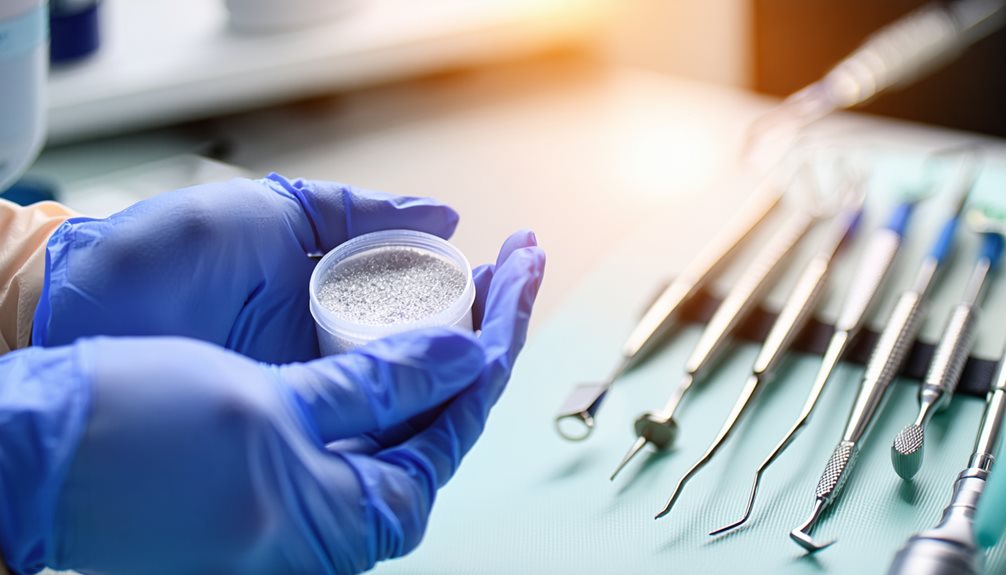
Mercury-free fillings offer patient-focused solutions that prioritize health and environmental sustainability. Composite resin and ceramic fillings are popular choices due to their biocompatibility and natural tooth appearance, meeting aesthetic demands while preserving tooth structure. Glass ionomer fillings release fluoride, providing additional dental protection. Gold alloy fillings, although not visually discreet, are renowned for durable, long-lasting restorations. These alternatives reduce neurotoxic risks associated with mercury exposure and considerably lower ecological impact. When selecting the best option, consider the expertise of your dentist and your aesthetic and durability needs. Discover more about these safe and sustainable dental solutions.
Benefits of Mercury-Free Fillings
Mercury-free fillings, frequently referred to as composite or porcelain restorations, offer several significant benefits over traditional amalgam fillings. One of the primary health considerations is the elimination of mercury, a component in amalgam fillings that has raised concerns due to its potential neurotoxic effects. By choosing mercury-free options, patients are safeguarded from mercury exposure, aligning with a growing emphasis on biocompatibility and patient safety.
Additionally, these restorations are less invasive, often preserving more of the natural tooth structure, which is beneficial for the longevity and health of the tooth.
From an environmental impact perspective, mercury-free fillings contribute positively by reducing mercury pollution. The disposal and breakdown of amalgam waste can release mercury into the environment, posing ecological risks. By opting for composite or porcelain alternatives, dental practices can diminish their environmental footprint, aligning with sustainable healthcare innovations.
In terms of aesthetics, mercury-free fillings provide a more visually appealing outcome, closely matching the natural color of teeth. This advancement not only meets the functional needs but also caters to the aesthetic desires of patients.
Consequently, mercury-free fillings are a forward-thinking choice for both patient health and environmental sustainability.
Composite Resin Fillings
Composite resin fillings, a prominent choice among mercury-free restorative options, are crafted from a mixture of plastic and fine glass particles that allow for precise adhesion and customization.
These composite materials provide a robust alternative to traditional amalgam fillings, catering to patients seeking both aesthetic appeal and functional restoration. The filling applications of composite resins are versatile, offering a solution that blends seamlessly with natural tooth color. This feature is particularly beneficial for anterior teeth restorations where appearance is paramount.
The innovation inherent in composite resin fillings extends beyond aesthetics, offering structural benefits and longevity when expertly applied. Clinicians appreciate their adaptability in a myriad of filling applications, from minor chips to significant cavity restorations.
The adhesive properties of composite materials guarantee a secure bond with the tooth surface, reducing the risk of future decay.
- Aesthetic Integration: These fillings closely resemble the natural tooth color, guaranteeing minimal visibility.
- Durability and Strength: Properly maintained composite fillings can withstand substantial chewing forces.
- Minimally Invasive: They require less tooth removal compared to amalgam fillings, preserving more natural tooth structure.
Ceramic Fillings Options
Ceramic fillings present an aesthetically superior option for patients seeking mercury-free dental restorations, as their translucency and color mimic the natural tooth structure with remarkable fidelity.
Clinically, ceramics exhibit high resistance to wear and fracture, contributing to their durability and longevity, which are well-documented in recent studies comparing different filling materials.
These characteristics make ceramic fillings a compelling choice for patients prioritizing both the visual and functional integrity of their dental treatments.
Aesthetic Advantages of Ceramics
Among the various options available for dental restorations, ceramic fillings stand out due to their superior aesthetic qualities. The intrinsic ceramic aesthetics cater to patients’ aesthetic preferences, offering a natural and lifelike appearance that closely mimics the translucency and shade of natural teeth. This material is particularly advantageous in anterior restorations, where visual appearance is paramount.
Ceramic fillings offer several aesthetic advantages:
-
Color and translucency: Ceramic’s ability to mimic the natural tooth’s color and translucency guarantees seamless integration with existing dentition.
-
Stain resistance: Unlike composite materials, ceramics are less susceptible to discoloration over time, maintaining their aesthetic integrity in the oral environment.
-
Customizability: The shade and shape of ceramic fillings can be tailored to individual patient needs, guaranteeing a personalized fit for each restoration.
From an evidence-based perspective, the integration of ceramic materials in dental restorations has been shown to enhance patient satisfaction with cosmetic outcomes.
Studies highlight their effectiveness in meeting patient expectations for a natural appearance, reinforcing the demand for innovation in dental aesthetics. This patient-focused approach guarantees that the use of ceramic fillings not only prioritizes functional restoration but also addresses the growing desire for visually appealing dental solutions.
Durability and Longevity Benefits
When considering dental restorations, the durability and longevity of ceramic fillings present compelling advantages. Constructed from advanced porcelain materials, ceramic fillings exhibit exceptional material strength, making them resistant to fracture and wear. This durability is essential for patients seeking long-term solutions that can withstand the rigors of masticatory forces.
Studies indicate that ceramic fillings, due to their robust composition, have a success rate exceeding 90% over a decade, surpassing many traditional alternatives.
The longevity of ceramic fillings is not solely attributed to their inherent strength but is also influenced by proper maintenance. Regular dental check-ups and adherence to recommended maintenance tips—such as avoiding excessive force from clenching or grinding—can considerably extend the lifespan of these restorations.
Utilizing dental guards during nocturnal bruxism and consuming non-abrasive foods are additional strategies to preserve the integrity of ceramic fillings.
For patients prioritizing innovation and cutting-edge dental solutions, ceramic fillings represent a superior option due to their enduring strength and minimal maintenance requirements.
Glass Ionomer Fillings
Utilizing glass ionomer fillings offers a practical and safe alternative for dental restorations, particularly for individuals seeking mercury-free options. Characterized by their unique glass ionomer properties, these materials are known for their chemical bond formation with tooth structure, biocompatibility, and fluoride release. Such features enhance their clinical performance, making them an attractive option in modern dentistry.
Glass ionomer applications span various dental procedures, providing versatility and efficacy. They are particularly effective in non-load bearing restorations, such as cervical fillings and root surface restorations. Their use in pediatric dentistry is notable due to the fluoride release, which aids in preventing secondary caries.
-
Chemical adhesion: Bonds directly to enamel and dentin without the need for additional bonding agents.
-
Fluoride release: Provides a cariostatic effect, aiding in the prevention of further decay.
-
Moisture tolerance: Ideal for situations where complete isolation is challenging.
While glass ionomer fillings may not match the durability of other materials for occlusal stress-bearing surfaces, their unique attributes and adaptability provide a compelling case for their use in specific dental scenarios.
This innovative approach supports a mercury-free, patient-centric dental practice.
Gold Alloy Fillings
Gold alloy fillings are renowned for their exceptional durability and longevity, often outperforming other materials with regard to wear resistance and lifespan.
However, the higher cost of gold alloys may impact affordability for some patients, necessitating a careful consideration of budgetary constraints in treatment planning.
Aesthetic considerations also play a critical role, as the metallic appearance may not align with the preferences of patients seeking more natural-looking restorations.
Durability and Longevity
Among the various materials available for dental restorations, gold alloy fillings stand out for their exceptional durability and longevity. When conducting a material comparison, gold alloy exhibits superior resistance to wear and tear over time, outperforming alternative materials such as composite resins and ceramics. This performance evaluation underscores gold alloy’s capacity to withstand masticatory forces, making it a preferred choice for patients seeking long-term solutions.
Gold alloy fillings offer several advantages regarding durability and longevity:
-
Resistance to Corrosion**: Gold alloys are inherently resistant to corrosion, guaranteeing that the structural integrity of the filling remains intact despite exposure to oral fluids** and acids.
-
Biocompatibility: The biocompatible nature of gold alloys reduces the risk of adverse reactions and guarantees that the material integrates seamlessly with the natural tooth structure.
-
Minimal Wear on Opposing Teeth: Unlike harder materials, gold alloys cause minimal abrasion on opposing teeth, preserving overall oral health.
Evidence-based studies have consistently demonstrated that gold alloy fillings can last upwards of 20 years or more, making them a viable option for patients prioritizing longevity.
For those desiring innovative dental solutions with proven track records, gold alloy restorations offer a robust and reliable choice.
Cost and Affordability
While the longevity and durability of gold alloy fillings are indisputable, their cost and affordability present a different aspect for consideration. Gold alloy fillings, although highly esteemed for their resilience and biocompatibility, often come with a substantial financial outlay. This is primarily due to the intrinsic value of gold, which impacts the overall price structure in clinical dentistry.
Consequently, patients must weigh this cost against the long-term benefits, durability, and potential savings from reduced future dental repairs. Evidence-based research highlights that while gold alloy fillings have a higher upfront expense compared to other materials, their durability may lead to fewer replacements, thereby saving costs in the long run.
However, the immediate financial burden necessitates strategic budget planning. Patients are advised to consult with their dental insurance providers regarding coverage policies for gold alloy fillings, as many insurance plans might only partially cover the costs, or in some cases, exclude them entirely.
For patients seeking innovative and sustainable dental solutions, understanding the financial implications is paramount. A tailored budget plan that factors in potential out-of-pocket expenses and evaluates long-term savings can make gold alloy fillings a more accessible choice for those prioritizing quality and longevity in dental care.
Aesthetic Considerations
When considering dental restorations, the visual impact of gold alloy fillings often becomes a point of discussion for patients who value both functionality and appearance. Traditionally known for their durability, gold alloy fillings present unique aesthetic considerations that may not align with the desire for seamless color matching.
While these fillings do not mimic the natural hue of teeth, their lustrous surface finish offers a distinct visual appeal and a statement of luxury for some patients.
For those evaluating gold alloy fillings, several aesthetic factors should be taken into account:
- Color Matching: Gold alloys do not blend with natural tooth color, which might be a concern for patients seeking inconspicuous restorations.
- Surface Finish: The high polish of gold contributes to its longevity by reducing wear, but it also creates a distinctive, shiny appearance that can be both a pro and a con, depending on patient preference.
- Longevity versus Aesthetics: Gold’s durability often outweighs aesthetic concerns, especially in posterior teeth where visibility is reduced.
Incorporating these considerations into patient discussions can aid in making informed decisions that balance aesthetic desires with innovative, evidence-based solutions for dental restorations.
Choosing the Right Dentist
Selecting a qualified dentist is a pivotal step in guaranteeing the success of mercury-free dental fillings. The dentist’s qualifications are paramount, as they reflect the practitioner’s ability to implement advanced restorative techniques. Prospective patients should seek a dentist who has undergone extensive training in the application of mercury-free materials. This includes familiarity with composite resins and other biocompatible alternatives that minimize health risks while optimizing aesthetic outcomes.
Patient reviews serve as a critical resource for evaluating a dentist’s competency and patient-centered care. These reviews often provide insight into the practitioner’s proficiency, attention to detail, and commitment to staying abreast of technological advancements in dentistry. A well-reviewed dentist is likely to have a track record of successful outcomes and satisfied patients, indicating their capability in handling the complexities associated with mercury-free fillings.
Furthermore, innovative practices may offer digital scanning and computer-aided design technologies, enhancing precision and customization of dental restorations. Patients should also consider dentists who prioritize continuing education, as this indicates a dedication to incorporating novel, evidence-based practices.
Frequently Asked Questions
Are Mercury-Free Fillings More Expensive Than Traditional Amalgam Fillings?
The cost comparison between mercury-free fillings and traditional amalgam varies considerably. While mercury-free options often incur higher initial costs, dental insurance plans may mitigate expenses. Innovative materials prioritize patient health, warranting consideration despite potential financial implications.
How Long Do Mercury-Free Fillings Typically Last?
Mercury-free fillings, such as composite resins and ceramics, typically last 5-15 years. Their durability compared to amalgam is influenced by longevity factors including material type, placement technique, and patient oral hygiene, catering to innovative dental care needs.
Can Mercury-Free Fillings Cause Allergic Reactions?
Mercury-free fillings can potentially cause allergic reactions, though such incidents are rare. Allergy symptoms may arise due to biocompatibility concerns with specific materials. Continuous innovation in dental materials aims to enhance biocompatibility, minimizing adverse patient reactions.
Do Mercury-Free Fillings Require Special Care or Maintenance?
Mercury-free fillings generally do not necessitate special care beyond standard oral hygiene practices. However, to enhance filling durability, patients are advised to follow maintenance tips such as avoiding excessive biting on hard objects and scheduling regular dental check-ups.
Are There Any Environmental Benefits to Choosing Mercury-Free Fillings?
Choosing mercury-free fillings reduces environmental impact by minimizing mercury waste, promoting sustainable dentistry practices. This aligns with eco-conscious patient preferences and supports innovation in dental materials, reducing harmful emissions and safeguarding ecosystem health.
Conclusion
In summary, mercury-free fillings present a viable and safe alternative to traditional amalgam fillings, offering numerous benefits such as reduced toxicity and improved aesthetics. Composite resin fillings provide versatility and a natural appearance, while ceramic options offer durability and stain resistance. Glass ionomer fillings release fluoride, enhancing oral health, and gold alloys provide exceptional longevity. Selecting an experienced dentist is essential to guarantee the best outcomes, as the choice of filling material should align with individual patient needs and oral health conditions.

