
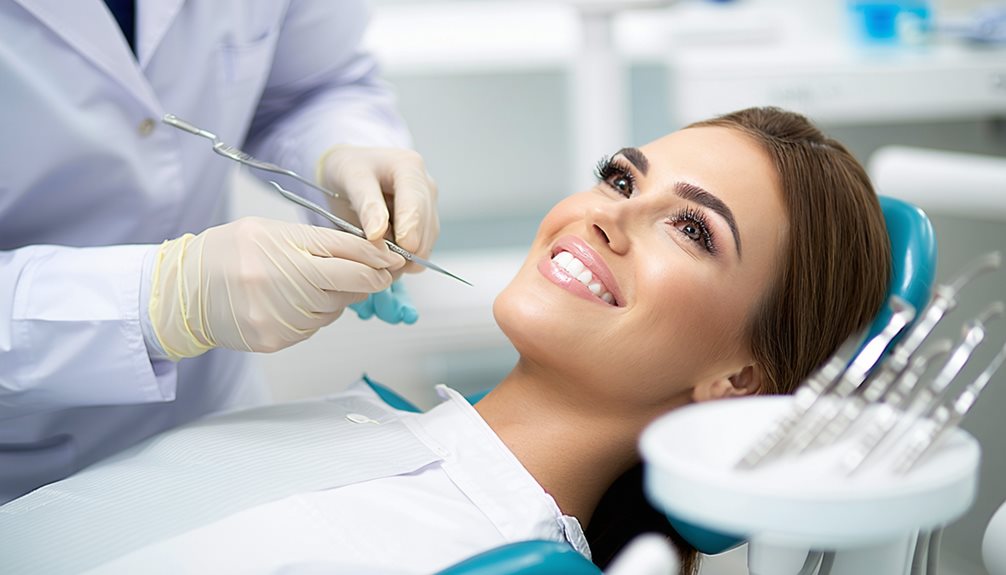
Prioritizing extensive oral care techniques is essential for safeguarding oral and systemic health. These techniques encompass holistic approaches linking oral hygiene with diet and lifestyle, plus advanced prevention strategies. Regular dental visits are important for early issue detection, while personalized patient education optimizes individual care protocols. The integration of stress management and mindfulness within oral routines enhances gum health and reduces harmful behaviors like bruxism. Utilizing nutrition-focused practices and natural dental products further strengthens periodontal resilience. Extensive care consequently not only mitigates risks but also enhances well-being, promising deeper insights into the intricate relationship between oral hygiene and overall health.
Understanding Holistic Oral Health
Holistic oral health encompasses a thorough approach to dental care that considers the interconnection between oral health and overall well-being. This paradigm shift emphasizes the need to integrate oral hygiene practices with preventive measures to mitigate the onset of dental diseases and their systemic implications.
Recognizing the mouth as a gateway to the body, it is essential to adopt a detailed strategy that not only addresses oral maladies but also contributes to maintaining ideal general health.
In the domain of holistic dentistry, oral hygiene serves as the cornerstone of preventive care. Traditional methods, such as regular brushing and flossing, are augmented with innovative techniques tailored to individual needs. These include the utilization of advanced diagnostic tools to identify risk factors and implement tailored preventive measures, minimizing potential issues before they manifest.
Additionally, the integration of diet and lifestyle modifications underscores the importance of a multifaceted approach to oral health.
Through leveraging cutting-edge technology and evidence-based practices, holistic oral health aims to enhance patient outcomes. By prioritizing prevention and adopting a proactive stance, dental professionals can effectively bridge the gap between oral care and overall health, fostering a sustainable model of well-being for the future.
Benefits of Natural Dental Products
Natural dental products present a compelling alternative to conventional oral care solutions by leveraging plant-based ingredients and minimizing synthetic additives. These products harness the power of natural ingredients such as essential oils, herbal extracts, and naturally occurring minerals, which have been recognized for their antimicrobial and anti-inflammatory properties. The inclusion of these components not only guarantees effective plaque control and fresh breath but also reduces the risk of potential side effects associated with synthetic chemicals often found in traditional products.
From an eco-friendly standpoint, natural dental products offer significant advantages. By prioritizing biodegradable materials and sustainable sourcing, these products minimize environmental impact. Packaging often utilizes recyclable materials, aligning with the growing demand for sustainable consumer goods.
Furthermore, the production processes involved in creating these products typically consume less energy and generate fewer pollutants, contributing to a reduced carbon footprint.
For consumers who prioritize holistic health and environmental responsibility, the integration of natural dental products into their oral care routine represents a forward-thinking choice. As the demand for innovative and sustainable solutions continues to rise, natural dental products are poised to play a pivotal role in shaping the future of oral health care, offering both efficacy and ecological benefits.
Integrating Nutrition for Healthy Gums
A thorough approach to oral care must encompass the critical role of nutrition in maintaining periodontal health, with particular emphasis on essential vitamins such as Vitamin C and Vitamin D, which are integral to collagen synthesis and immune support.
In addition, the reduction of sugar intake is imperative, as excessive sugar consumption can exacerbate inflammation and promote the proliferation of pathogenic bacteria, leading to periodontal disease.
Essential Vitamins for Gums
The integration of essential vitamins into one’s diet plays a fundamental role in maintaining ideal gum health. Vitamins, as micronutrient powerhouses, provide foundational support for the structural integrity and resilience of gingival tissues. Identifying superior vitamin sources is critical for preventing deficiencies that could compromise gum health, leading to inflammation or periodontal disease.
Vitamins A, C, D, and E are particularly noteworthy for their roles in promoting healthy gums:
-
Vitamin C: Found in citrus fruits, strawberries, and leafy greens, it is essential for collagen synthesis, an important protein for gum tissue repair and strength.
-
Vitamin D: Present in fortified dairy products and fatty fish, it enhances calcium absorption, vital for maintaining alveolar bone health, which supports gums.
-
Vitamin A: Sourced from carrots, sweet potatoes, and spinach, it promotes salivary flow, which naturally cleanses the oral cavity and inhibits bacterial growth.
-
Vitamin E: Available in nuts, seeds, and green leafy vegetables, it acts as an antioxidant, protecting gum tissues from free radical damage.
Incorporating these vitamins into the diet guarantees that gum tissues are fortified against environmental and microbial challenges, thereby pioneering a proactive approach to thorough oral care.
Impact of Sugar Intake
Despite its pervasive presence in modern diets, excessive sugar intake poses significant risks to gum health. The biochemical interaction between sugar and oral bacteria leads to the production of acids which can erode tooth enamel and promote gingivitis. Gums, being highly vascular, are sensitive to these inflammatory processes, thereby exacerbating periodontal disease.
The innovation of sugar alternatives like xylitol and erythritol offers a promising avenue to mitigate these adverse effects. These substitutes not only reduce the risk of acid production but also possess inherent antimicrobial properties that enhance oral health outcomes.
Incorporating sugar alternatives into daily regimens can revolutionize dental hygiene practices. Regular use of xylitol, for instance, has been shown to decrease Streptococcus mutans populations, the primary bacteria responsible for tooth decay.
Dental hygiene professionals advocate for the integration of these alternatives into both dietary habits and dental products such as toothpaste and mouthwash. By leveraging these innovations, individuals can maintain ideal gum health and prevent the onset of periodontal diseases, thereby promoting a holistic approach to oral care.
Importance of Regular Dental Visits
Why are regular dental visits so essential for maintaining ideal oral health? The significance of dental checkups cannot be overstated, as they serve as a cornerstone of preventive care.
These visits allow for early detection of potential oral health issues, thereby mitigating the risk of more severe complications. Through routine examinations, dental professionals can identify and address problems such as cavities, gum disease, and oral cancer at their nascent stages.
This proactive approach not only preserves oral health but also contributes to overall well-being.
Regular dental visits provide several advantages:
-
Comprehensive Evaluation: Advanced diagnostic tools enable a thorough assessment of dental and periodontal conditions, ensuring no underlying issue goes unnoticed.
-
Professional Cleaning: Even with diligent at-home oral hygiene practices, plaque and tartar can accumulate in hard-to-reach areas. Professional cleaning during dental checkups effectively eliminates these deposits.
-
Patient Education: Dentists offer valuable insights into superior oral care techniques and tailor recommendations based on individual needs.
-
Long-term Cost Efficiency: Preventive care benefits include reducing the likelihood of costly and invasive treatments by addressing minor issues before they escalate.
Mindfulness Techniques for Oral Care
Incorporating mindfulness into daily oral care practices can greatly enhance the effectiveness of one’s dental hygiene regimen. Mindful brushing, a technique that emphasizes awareness and presence, transforms routine oral care into a deliberate act. By utilizing mindful brushing, individuals focus on each stroke, ensuring thorough coverage and preventing common errors such as aggressive brushing. This intentional approach promotes ideal plaque removal and reduces the risk of enamel erosion.
The systematic movement from quadrant to quadrant in the mouth, with full attention on each tooth, allows for a more complete cleaning process.
Moreover, integrating meditation techniques into oral care routines can further augment this practice. For instance, before beginning the brushing process, a brief meditation session can help center the mind, reducing distractions and setting a calm tone. This can be particularly beneficial when establishing a consistent oral care routine.
Meditation techniques, such as focused breathing or body scanning, allow individuals to maintain concentration on the task at hand, thereby enhancing the quality of their oral care practices.
Addressing Stress and Oral Health
Stress, a prevalent factor in modern lifestyles, greatly affects oral health by contributing to conditions such as periodontal disease and bruxism.
The physiological response to stress can lead to increased inflammation, which exacerbates gum disease, while psychological stress often manifests as teeth grinding, resulting in enamel wear and temporomandibular joint disorders.
Understanding these interactions is essential for implementing effective oral care strategies that mitigate the adverse effects of stress on dental health.
Stress Impact on Gums
The intricate relationship between stress and oral health is increasingly recognized as an important factor affecting the condition of the gums.
Stress can trigger biological responses that may exacerbate gum inflammation, a precursor to more serious periodontal diseases. Elevated stress levels increase the production of cortisol, a hormone that can compromise the immune system, making it difficult for the body to combat the bacteria responsible for gum inflammation.
Consequently, stress management and stress relief techniques become vital components of thorough oral care.
Effective strategies for mitigating stress impact on gums include:
- Incorporating relaxation techniques****: Practices such as meditation and deep breathing exercises can greatly reduce cortisol levels, promoting gum health.
- Adopting a balanced diet****: Nutritional support plays a vital role in reducing inflammation, providing the gums with essential nutrients for resilience.
- Regular dental check-ups: Professional assessments and cleanings allow early detection and management of gum inflammation.
- Utilizing technological aids: Innovations such as smart toothbrushes and apps can help monitor oral health, acting as catalysts for stress relief through proactive management.
Teeth Grinding Consequences
Bruxism, a condition characterized by involuntary teeth grinding and clenching, poses significant challenges to oral health, particularly when exacerbated by stress. This condition often leads to a range of detrimental effects, including enamel wear, increased tooth sensitivity, and temporomandibular joint (TMJ) disorders.
The etiology of bruxism is multifaceted, with teeth grinding causes often linked to psychological stress, malocclusion, and lifestyle factors such as caffeine and alcohol consumption. This involuntary activity can occur during the day or nocturnally, with the latter being more prevalent and potentially more damaging due to its unconscious nature.
Addressing the consequences of bruxism necessitates a thorough approach that integrates both preventive and therapeutic strategies. Teeth grinding solutions include the utilization of custom-fitted occlusal splints or mouthguards, which act as a physical barrier to mitigate tooth wear and alleviate TMJ stress.
Additionally, behavioral interventions, such as cognitive-behavioral therapy, can effectively reduce stress-induced bruxism by addressing underlying psychological triggers. Advanced techniques, such as biofeedback and botulinum toxin injections, offer innovative avenues for treatment, targeting neuromuscular pathways to decrease clenching intensity.
As oral health professionals, recognizing and managing bruxism is paramount to preserving dental integrity and enhancing overall well-being.
Frequently Asked Questions
What Are the Potential Risks of Ignoring Oral Hygiene?
Neglecting oral hygiene can lead to gum disease and tooth decay, which may result in systemic health complications, including cardiovascular disease. Innovative oral care techniques are essential to prevent plaque accumulation and maintain ideal oral and overall health.
How Can Oral Care Affect Overall Physical Health?
Oral care considerably influences overall physical health by controlling oral bacteria, which can enter the bloodstream, potentially triggering systemic inflammation. This inflammation is linked to numerous diseases, including cardiovascular disease, thereby highlighting the necessity for innovative oral care solutions.
Are There Signs of Oral Health Issues That Often Go Unnoticed?
Subtle signs and overlooked symptoms of oral health issues include persistent bad breath, minor gum bleeding, and slight tooth sensitivity. These indicators, often disregarded, may signal underlying conditions necessitating early intervention to prevent more severe dental complications.
What Role Does Technology Play in Modern Oral Care Techniques?
In modern oral care, technology enhances precision and accessibility. Digital tools facilitate accurate diagnostics and treatment planning, while telehealth consultations expand patient access to expert advice, ensuring timely interventions and personalized care in a rapidly evolving healthcare landscape.
How Can Oral Care Routines Be Adapted for Children or the Elderly?
Oral care routines can be specifically tailored for children and the elderly by utilizing child-friendly tools, such as smaller toothbrushes with softer bristles, and elderly adaptations, including electric toothbrushes with ergonomic handles for easier grip and use.
Conclusion
Thorough oral care techniques should be prioritized due to their extensive benefits in promoting overall oral health. A holistic approach encompasses the use of natural dental products, integration of nutrition to support gum health, and the necessity of regular dental visits. Additionally, incorporating mindfulness techniques can enhance oral hygiene practices, while addressing stress-related oral health issues is vital. These strategies collectively contribute to maintaining ideal oral health, preventing diseases, and improving overall well-being.

